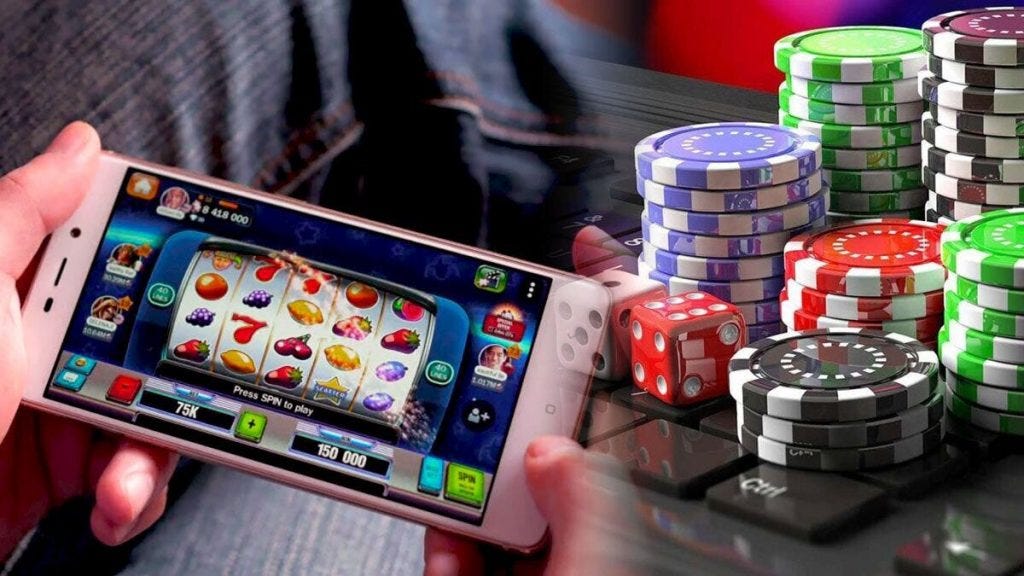
Web-based gaming has become a global phenomenon, captivating millions of players with its promise of excitement and the chance to win big. In the Philippine archipelago, the rise of online casinos has transformed the gambling landscape, offering a convenient platform for both seasoned bettors and newcomers. With just a few clicks, players can access a realm of games, from traditional favorites to novel new offerings, all from the comfort of their own homes.
But what is it that keeps players coming back to these online casinos? The allure of winning money is undeniably a factor, yet there is something deeper at play. Understanding the psychology behind online gambling reveals a intricate interplay of psychological states, motivations, and behaviors. From the thrill of risk-taking to the enjoyment of social interaction through live dealer games, elements like these contribute to the addictive nature of online gaming, making it an captivating topic to explore. Whether it is the excitement surrounding popular games like Fachai or the attractiveness of rewarding bonuses, the reasons for players’ loyalty to online casinos are as diverse as the games themselves.
The Appeal of Digital Betting
This digital age, gambling has evolved, making it more accessible than ever before. Internet gambling sites have surged in fame, particularly in areas such as the Philippines, where players can indulge in their preferred games from the comfort of their own spaces. The flexibility of being able to play at any time and from anywhere appeals to many, allowing them to break free from the ordinary and enter a realm full of adventure and possible gains.
One of the key features of online gambling is the vast variety of games available at players’ fingertips. From old-school slots to real-time dealer games, online casinos cater to diverse preferences and preferences. Platforms like popular sites such as Fachai showcase innovative game designs and engaging graphics, providing an involving experience that traditional casinos often cannot quite to match. This variety not only satisfies players’ wants for novelty but also encourages them to explore new games, maintaining their interest alive.
In addition, the thrill of winning plays a significant role in why players continue to return to online gambling. fachai pusoy of luck-based elements and thoughtful decision-making creates an adrenaline rush that many find irresistible. Promotions, promotions, and jackpots enhance this allure, offering the hope of substantial payouts that can turn an average gaming session into an exhilarating adventure. As players hasten towards these rewards, the thought of potential victory persistently draws them into the online casino realm.
Mental Triggers in Casino Gameplay
The allure of gambling games lies not only in the possibility for financial gain but also in the behavioral cues that keep players engaged. One crucial aspect is the concept of random reinforcement. Gamblers often experience a mix of victories and losses, enhancing the excitement and unpredictability of the game. This uncertainty creates a cycle of anticipation and expectation, encouraging gamblers to continue playing in search of the next huge win. The excitement of a near miss, where players come close to winning but ultimately do not, can additionally enhance the desire to play again.
Another important psychological aspect is the use of vivid graphics and immersive sounds in virtual casinos. Sites like those functioning in the Philippines use advanced technology to create a stimulating environment that grabs gamblers’ attention. These visual and auditory elements engage feelings and heighten the overall sensation, making gamblers more likely to return. The combination of captivating visuals and enticing sound effects can create an illusion of a more gratifying encounter, further driving gamblers to indulge in their gaming habits.
Communal elements also play a crucial role in the psychology of online gambling. Many players enjoy the shared aspect of gaming, even in a digital setting. Online casinos often include community features such as messaging or leaderboards, allowing players to engage and battle with others. This sense of community can develop a sense of belonging, making it harder for individuals to withdraw. The competition and friendship found in virtual spaces can enhance the overall pleasure of betting, making players more likely to return to their preferred activities, like those provided by fachai, over and over.
The Role of Community and Social Interaction
The role of community.
The rise of online casinos in the Philippines has evolved traditional gambling into a more participatory experience. Players are no longer isolated but can connect with others through chat functionalities and team-based games. This fosters a sense of community, allowing individuals to share their experiences, acknowledge wins, and extend support during losses. The interactive nature enhances the overall enjoyment and encourages players to come back, as they build connections with fellow gamblers.
Additionally, many online casinos, including platforms like Fachai, cultivate a lively social atmosphere through events and tournaments. These challenging environments encourage camaraderie among participants, turning gambling into not just a solitary endeavor but a group activity. Players appreciate discussing strategies, offering tips, and rooting for one another, which significantly increases their emotional investment in the gaming experience.
Moreover, the integration of social media integrations allows players to showcase their achievements and interact with a broader audience. This visibility reinforces their involvement in the online casino community, as they get acknowledgment and encouragement from friends and fellow players alike. The combination of competition, collaboration, and networking is a crucial factor that keeps players coming back to online casinos, as they look for both the thrill of the game and the bonds formed along the way.